We help the world since 2012

What Is PV String Monitoring?
As solar power plants continue to grow in size and complexity, operators need more accurate ways to monitor system performance. PV string monitoring is a technology used to measure and analyze the electrical performance of individual photovoltaic strings within a solar power plant. By monitoring each string separately, operators can quickly identify underperforming panels, wiring faults, shading issues, or equipment failures. This helps improve energy yield, reduce maintenance costs, and increase overall system reliability. In modern utility-scale solar farms and commercial photovoltaic installations, PV string monitoring has become an important part of intelligent energy management systems.
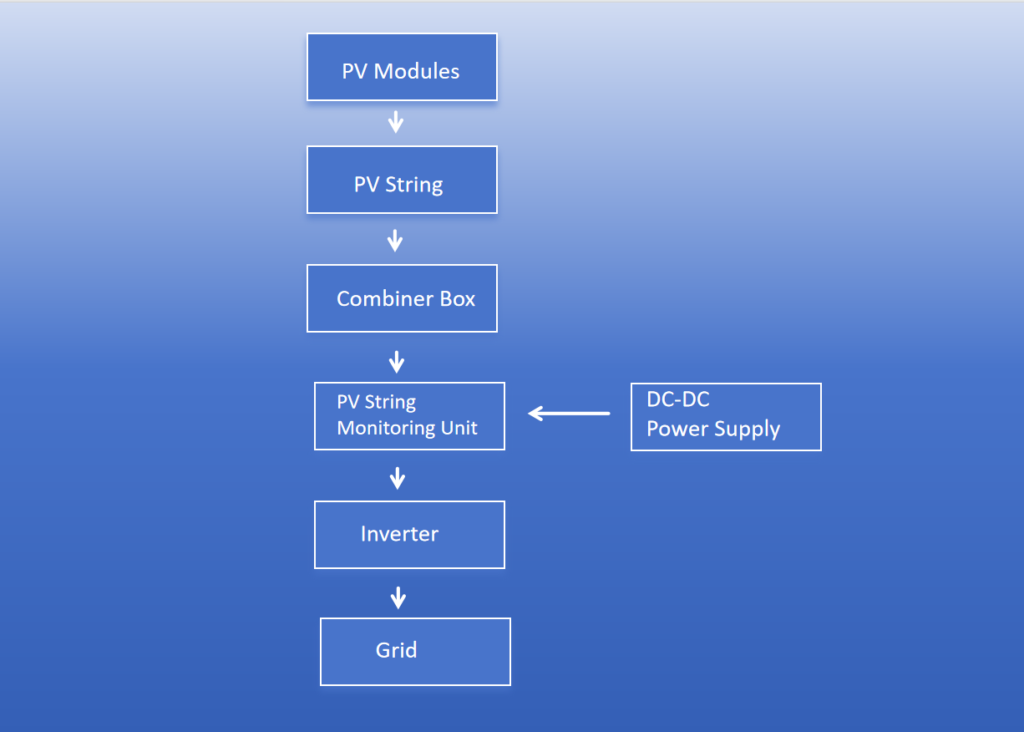
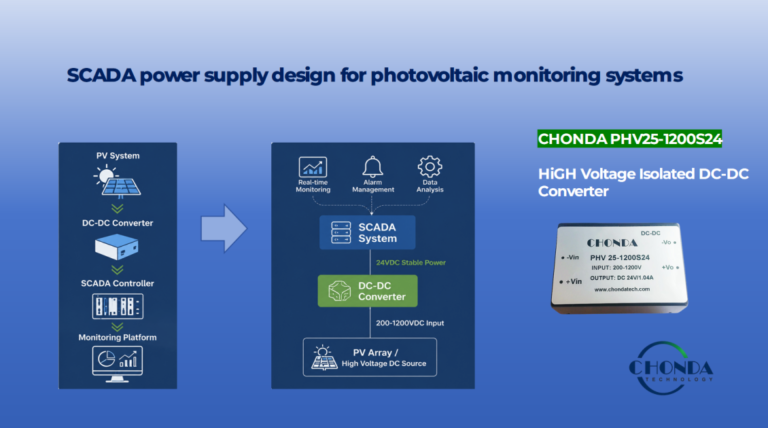
Figure 1. Typical PV String Monitoring System Architecture
Figure1 shows the typical architecture of a PV string monitoring system used in commercial and utility-scale solar power plants
1. What Is a PV String?
A PV string is a group of solar panels connected in series. Multiple strings are typically connected together in a combiner box and then linked to an inverter.
Because each string may operate under different conditions, monitoring individual strings provides valuable information that cannot be obtained from inverter-level monitoring alone.
2. How PV String Monitoring Works?
PV string monitoring is the process of measuring and analyzing the voltage, current, and performance of each PV string in a solar power system.
A string monitoring unit collects data from individual strings and sends the information to the plant monitoring system. This allows operators to identify performance issues quickly.
Typical monitored parameters include:
- String voltage
- String current
- Power generation
- Fault conditions
- Communication status
3. Why Is PV String Monitoring Important?
Without string-level monitoring, small performance losses can remain unnoticed for long periods.
PV string monitoring helps:
- Detect failed modules
- Identify wiring problems
- Locate shading issues
- Improve maintenance efficiency
- Increase overall system yield
For utility-scale solar farms, even a small reduction in power loss can result in significant energy savings over time.
PV string monitoring is typically integrated in combiner boxes or inverter-level SCADA systems, where each string current is measured independently for fault detection and performance comparison.
4. Typical Applications
PV string monitoring is widely used in:
- Solar combiner boxes
- Utility-scale solar farms
- Distributed photovoltaic systems
- Solar tracker systems
- Remote monitoring stations
5. Power Supply Requirements for PV String Monitoring
String monitoring devices are often installed inside combiner boxes where high DC voltages are present.
These systems typically require:
- Wide input voltage range
- High isolation voltage
- Stable DC output
- Long-term reliability
- Industrial operating temperature range
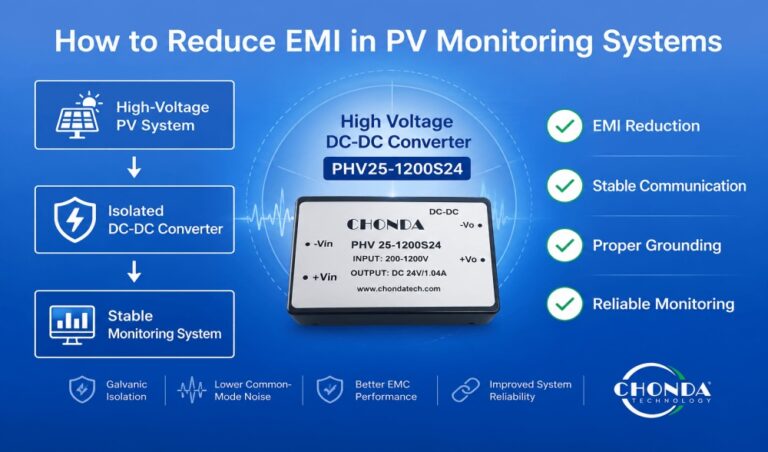
High-voltage isolated DC-DC converters are commonly used to provide power for monitoring and communication equipment.
6. Recommended Power Solution
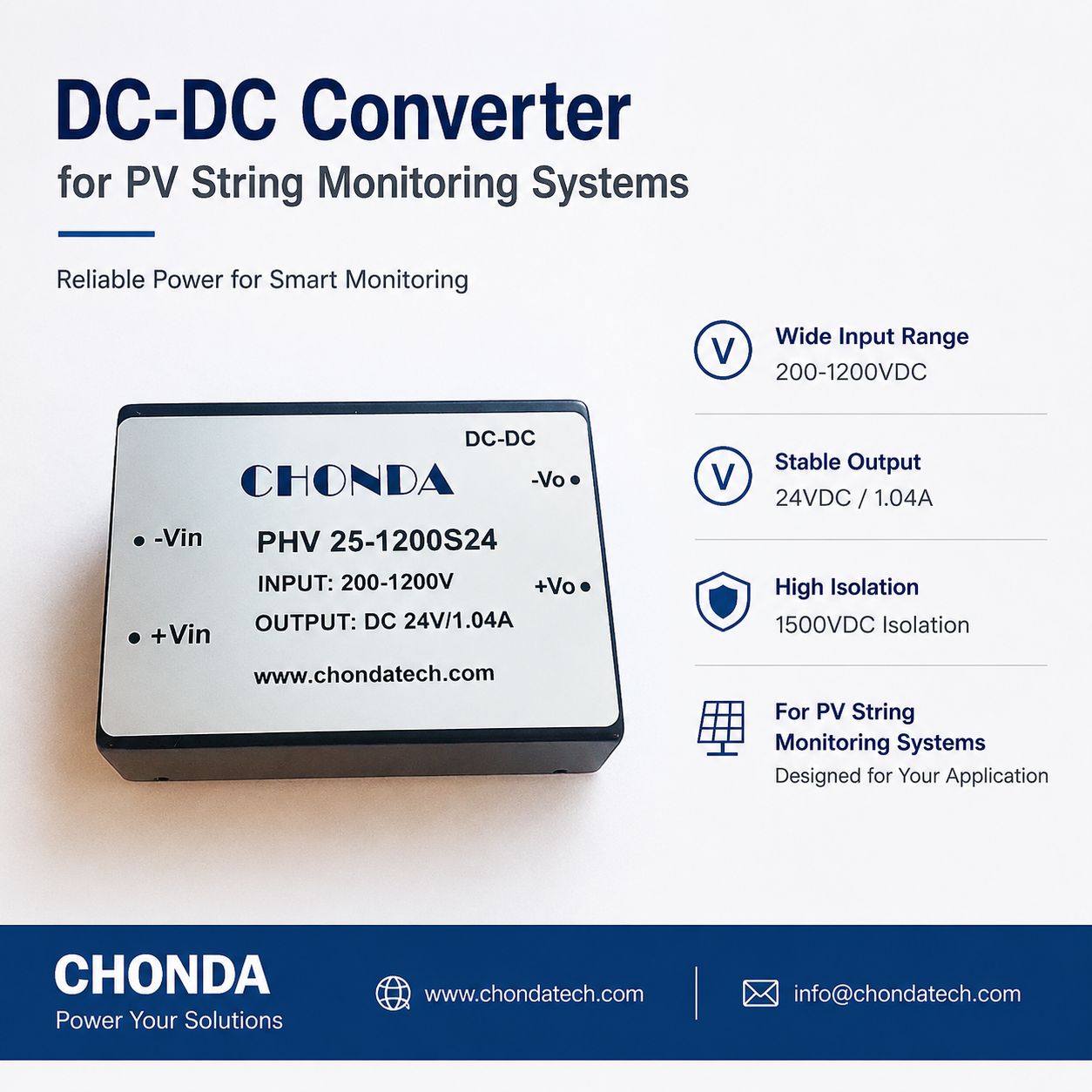
CHONDA’s PHV25-1200S24 isolated DC-DC converter is designed specifically for photovoltaic monitoring applications.
Key features include:
- 200–1200VDC ultra-wide input
- 24VDC regulated output
- 1500VAC isolation
- Compact encapsulated design
- Reliable operation in outdoor environments
It is suitable for PV string monitoring units, combiner box monitoring systems, and solar communication equipment.
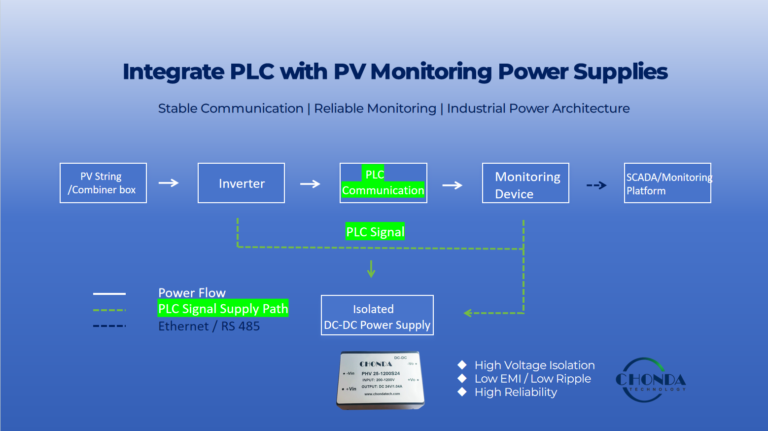
Many PV string monitoring devices require an isolated high-voltage DC-DC power supply to provide stable auxiliary power.
Learn more about our PV String Monitoring Power Supply solutions.
Conclusion
PV string monitoring plays a critical role in maximizing solar plant performance. By monitoring each string individually, operators can quickly identify faults, improve maintenance efficiency, and increase energy production.
Selecting a reliable isolated power supply is an important part of building a stable and efficient PV monitoring system.